How Hedge Funds Use a Stock Screener Breakout Strategy Most Retail Traders Miss
Most retail traders glance at a chart, see a price pushing against resistance, and call it a breakout opportunity. Hedge funds operate differently. They build systematic, repeatable processes around a stock…
Most retail traders glance at a chart, see a price pushing against resistance, and call it a breakout opportunity. Hedge funds operate differently. They build systematic, repeatable processes around a stock screener breakout approach that filters noise, confirms momentum, and times entries with surgical precision. The gap between those two methods is exactly where most traders lose money — and where the most disciplined ones consistently find edge.
Understanding what separates a high-probability breakout from a false one starts with recognizing that price alone is almost never enough. Professional traders layer multiple conditions into their stock screener breakout filters before a single dollar is committed. Volume surge, relative strength, sector momentum, and proximity to a clean technical level all have to align. When they do, the trade isn’t a guess — it’s a structured thesis with defined risk.
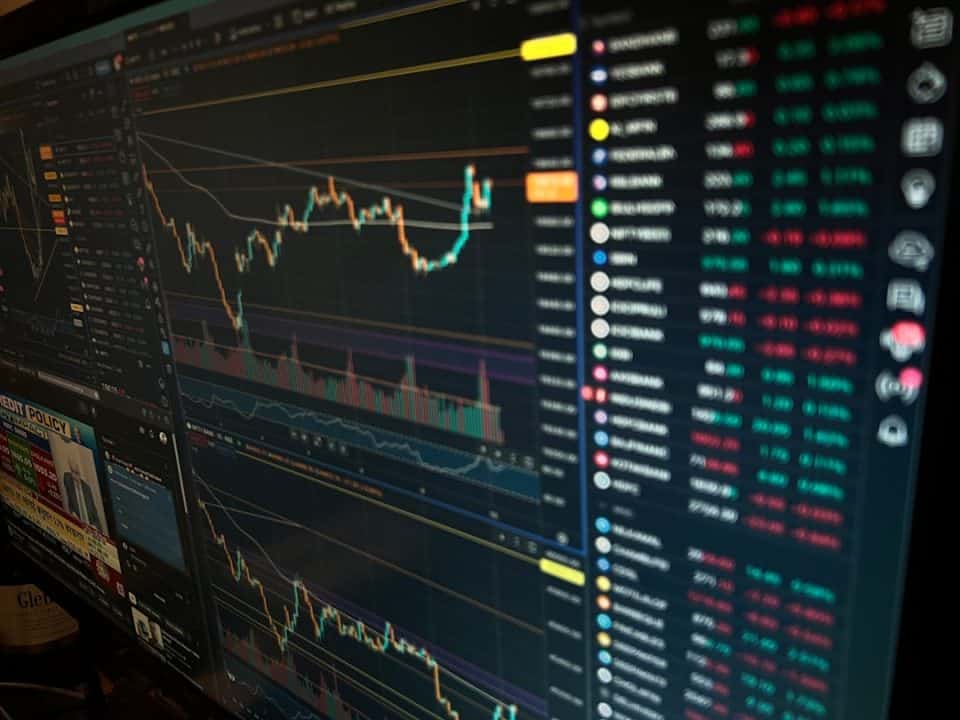
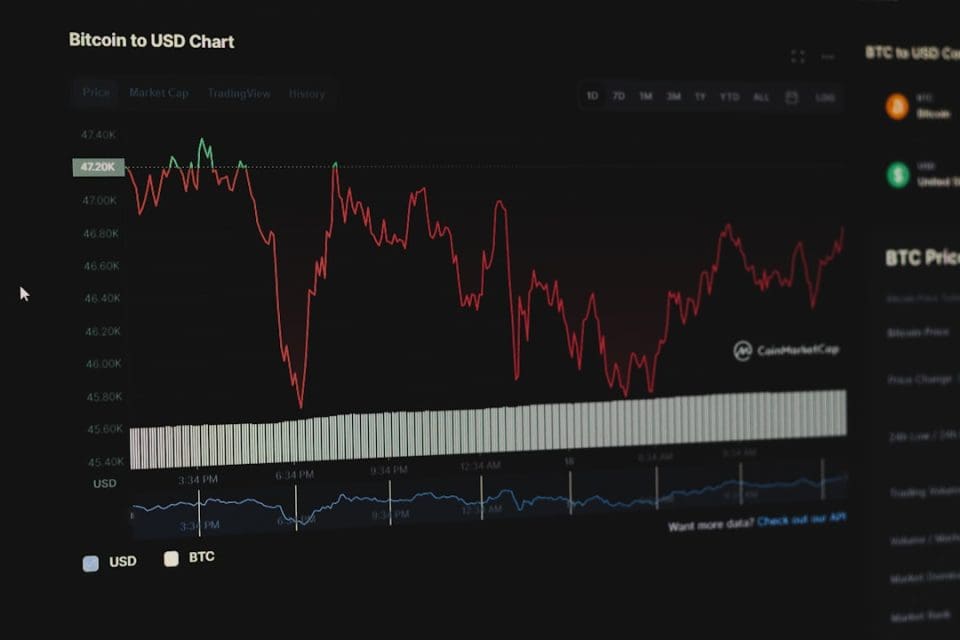
The first thing institutional desks look for is volume confirmation. A stock breaking above a key resistance level on below-average volume is a red flag, not a green light. The stock screener breakout criteria used by quantitative funds typically requires that volume on the breakout candle exceeds the 20-day average by at least 150%. This single filter eliminates the majority of traps that catch amateur traders chasing price. Volume is the fuel that sustains a move; without it, you’re watching a fire that’s already running out of oxygen.
A stock breaking above a key resistance level on below-average volume is a red flag, not a green light.
Beyond volume, the quality of the base matters enormously. Hedge fund analysts don’t just screen for stocks breaking out of any pattern. They prioritize tight, orderly consolidations — price ranges that have compressed over weeks, where supply has been absorbed and sellers have been exhausted. A stock that has traded in a narrow band for four to six weeks before breaking higher carries far more structural integrity than one that surges after a chaotic, wide-swinging pattern. Your stock screener breakout filter should include an ATR (Average True Range) compression metric to identify these coiled setups before they spring.
Relative strength is another pillar that sophisticated traders embed into their screener logic. During any market environment, only a fraction of stocks are showing true leadership. A breakout in a stock that has been consistently outperforming its sector and the broader index over the prior three months carries exponentially more weight than one occurring in a lagging name. Screening for stocks where the RS rating is in the top 20% of the market before applying breakout criteria dramatically improves the win rate over time. This is standard practice at many long-only equity funds and growth-oriented hedge funds alike.
Timing within the trading session also plays a role that most retail participants underestimate. Institutional money flows tend to be more decisive in the first 30 to 45 minutes of the session and again in the final hour. A stock screener breakout that triggers in the middle of a low-liquidity midday window often lacks the conviction needed to follow through. Many professional traders actually wait for a stock to break out, pull back slightly to retest the breakout level as new support, and then enter on the confirmation bounce. This approach sacrifices a small amount of early gain in exchange for dramatically higher-probability entries and cleaner stop-loss placement.
Risk management inside the breakout trade is where the real institutional discipline shows up. Hedge funds define their exit before they enter. If a stock breaks out of a six-week base at $50, the risk is typically defined as a close back below the breakout pivot — often set at 3% to 5% below the entry. Position sizing is then calculated backward from that stop to ensure no single trade risks more than a predetermined percentage of the portfolio. This isn’t optional discipline; it’s the structural reason why professional traders survive losing streaks that wipe out undisciplined retail accounts.
The most powerful edge you can build into your own stock screener breakout process isn’t a secret indicator or an exotic data feed. It’s the consistency of applying the same layered criteria — volume, base quality, relative strength, and session timing — every single time, without exception. Markets change, sectors rotate, and individual catalysts vary. But the underlying mechanics of how institutional capital accumulates into a position and drives a sustained breakout remain remarkably consistent. Build your screener to find those conditions, respect your stops, and the strategy doesn’t just work occasionally — it compounds.