Brambles Absorbs $90M US Repair Hit, Lifts Dividend 16%
Brambles grew underlying profit 4% in FY 2026 while carrying a US$90 million US repair headwind, and still raised its dividend 16% on the back of strong cash generation.
Brambles Ltd (BMBLF) reported 4% underlying profit growth for FY 2026 despite a US$90 million headwind tied to US pallet repair costs, and raised its dividend 16% while signalling confidence in an FY27 recovery.
Brambles Ltd (BMBLF), the pallet-pooling group behind the CHEP network, closed out fiscal 2026 with the kind of result that rewards patience rather than excitement: underlying profit up 4%, a US$90 million cost headwind in the United States absorbed rather than passed on, cash generation described as strong, and a dividend lifted 16%.
The stock changed hands at 14.07 in its US over-the-counter listing at 13:50 GMT on 20 August 2026, down 0.31% from the prior close of 14.11, with the day's range showing no movement between high and low — a thinly traded quote that tells you more about the venue than about the market's verdict on the numbers.
A US$90 million bill for keeping wooden pallets in service
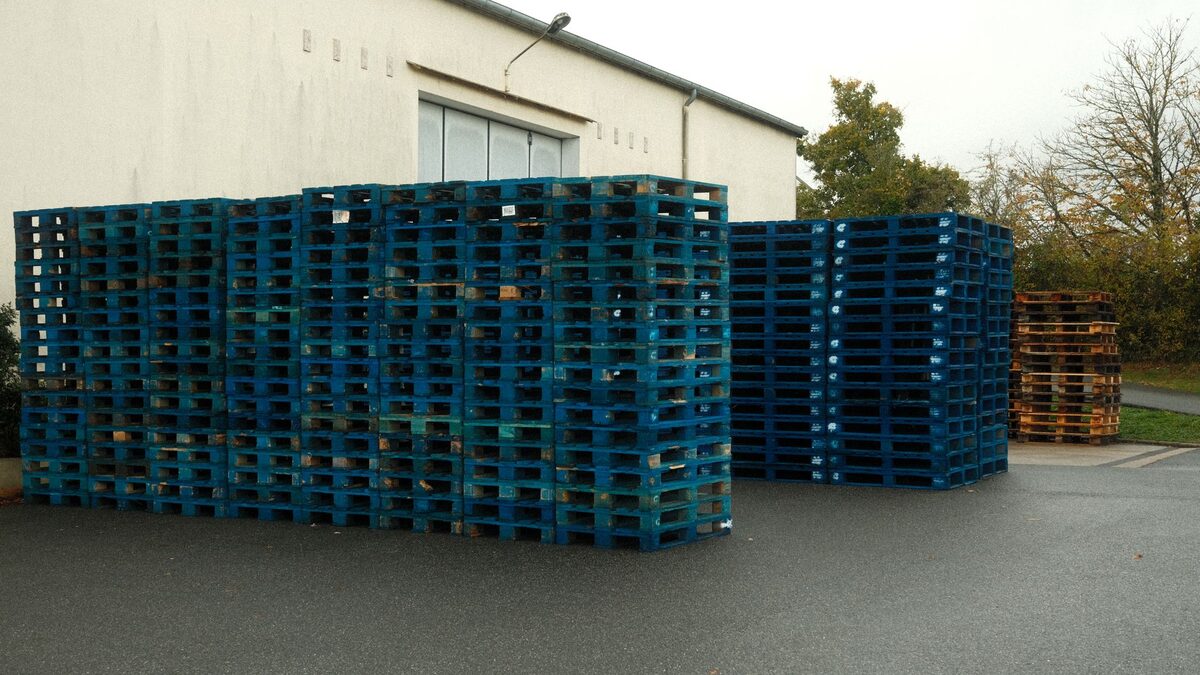
The headline number investors will fixate on is the US$90 million headwind in the United States, tied to repair-related pressure. For a pooling business, repair is not an incidental line item — it is the operating model. Brambles owns a vast float of wooden pallets, rents them to manufacturers and retailers, collects them back, inspects them, fixes what is broken and sends them out again. The economics work because a pallet can be cycled many times before it is retired. Anything that pushes up the cost of each cycle — lumber prices, nail and board availability, labour at repair depots, or a deterioration in the condition of pallets coming back through the network — lands directly on the cost line.
A US$90 million charge of that nature is a working-capital and operating-cost problem rather than a demand problem. That distinction matters. Demand shortfalls signal customers leaving; repair-cost inflation signals that the same volume of assets is more expensive to keep in circulation. The first is structural. The second is, at least in principle, recoverable through pricing, asset productivity and loss reduction — which is precisely the argument implied by management's stated confidence in an FY27 recovery.
Growing 4% while carrying the weight
Delivering 4% underlying profit growth while carrying a US$90 million drag in the group's largest market is the substantive achievement in this result. It implies that the rest of the portfolio — the European and Latin American operations, plus pricing and surcharge recovery elsewhere — was doing enough heavy lifting to more than offset the North American shortfall.
"Underlying" profit is the company's preferred measure, stripping out items management considers non-recurring or outside normal trading. Investors should treat it as a guide to operating momentum rather than as a substitute for statutory earnings, and check how much of the repair headwind sat inside the underlying figure versus outside it. On the evidence of the FY 2026 earnings call summarised by GuruFocus, the US pressure was carried within the trading result rather than quarantined below the line — which makes the 4% growth a cleaner number than it might first appear.
Does the cash support a 16% payout increase?
A 16% dividend increase is an unusually assertive move for a company that has just told the market it absorbed a nine-figure cost headwind in its biggest region. Boards do not normally raise distributions by that margin unless three things hold: the cash is already in the bank, the cause of the earnings pressure is understood and time-limited, and the capital programme is funded without leaning on the payout.
Brambles pointed to strong cash generation alongside the profit growth, and that is the reconciling item. Pooling businesses are capital-hungry in expansion phases — every incremental customer needs incremental pallets — but they turn strongly cash-generative when the float is mature and the emphasis shifts from adding assets to recovering and reusing the ones already out there. If the company is at that point in the cycle, free cash flow can rise faster than reported profit, which is the only sustainable basis for a double-digit dividend increase in a year of margin pressure.
Brambles pointed to strong cash generation alongside the profit growth, and that is the reconciling item.
The test is durability. Investors should look at three things in the full accounts:
- Whether cash from operations grew at least in line with the dividend increase, or whether the payout ratio simply moved higher.
- How much of the capital expenditure line is growth investment versus replacement of pallets lost or written off in the pool.
- Whether the US repair cost is already flattening in the second half, or still building into the new financial year.
What FY27 has to prove
Management's confidence in an FY27 recovery sets a clear bar. If the US$90 million is genuinely a cost-cycle issue — input inflation and asset condition — then a combination of contract repricing, tighter asset control and repair-network efficiency should show up as a year-on-year tailwind in the coming period, simply because the comparative base is depressed. If instead the repair burden reflects a permanently higher cost of maintaining the American pool, the recovery narrative becomes a pricing negotiation with some of the largest consumer goods companies and grocers in the world, and those conversations move slowly.
There is also a demand overlay. Pallet pooling volumes track the physical movement of packaged goods, so the business is a reasonable read on consumer staples throughput. Resilient growth in a year of cost pressure suggests the underlying flow of goods held up; a deterioration in volumes on top of the repair drag would be a materially different story.
The stock, and the listing to watch
The BMBLF quote is the over-the-counter representation of a company whose primary liquidity sits elsewhere, and the flat intraday range at 14.07 underlines how little price discovery happens in that line. It moved 0.31% lower against a broader session in which the S&P 500 tracker (SPY) was at $767.21, down 0.24%, the Nasdaq 100 fund (QQQ) at $712.90, down 0.44%, and the Dow tracker (DIA) at $531.55, down 0.51% — a modestly negative tape across the board, all as of 13:50 GMT on 20 August 2026.
For US-based holders, that means the OTC print should be read as a follow-the-leader quote rather than an independent market judgement on the FY 2026 result. The dividend, by contrast, is unambiguous: a 16% increase is a signal that costs money to send, and boards rarely send it unless they believe the following year will validate it.
Key facts
- Ticker and price: BMBLF at 14.07, down 0.31%, as of 13:50 GMT on 20 Aug 2026
- Underlying profit growth: 4% in FY 2026
- US cost headwind: US$90 million, repair-related
- Dividend: Increased 16%
Frequently asked questions
What did Brambles report for FY 2026?
Brambles reported 4% underlying profit growth for fiscal 2026, achieved despite a US$90 million headwind in the United States linked to repair-related pressure. The company also described strong cash generation during the period and raised its dividend by 16%, which management framed as a signal of confidence in a recovery during FY27.
Why did US repair costs hit Brambles so hard?
Brambles runs a pallet-pooling model: it owns a large float of pallets, rents them out, collects them back and repairs them for reuse. Repair is therefore a core operating cost, not an incidental one. Anything raising the cost of each cycle — lumber, labour, or the condition of returned pallets — lands directly on earnings, producing the US$90 million US headwind.
Is the 16% dividend increase sustainable?
The company cited strong cash generation alongside the 4% profit growth, which is the reconciling factor behind a double-digit payout rise in a year of cost pressure. Sustainability depends on whether operating cash flow grew at least in line with the dividend, and whether capital spending on new pallets is funded without leaning on the distribution.
Where does BMBLF trade and what is the price?
BMBLF is the US over-the-counter quote for Brambles. It last traded at 14.07, down 0.31% from a prior close of 14.11, as of 13:50 GMT on 20 August 2026. The intraday high and low were both 14.07, indicating very limited trading activity in that particular line.
What does 'underlying profit' mean here?
Underlying profit is a company-defined measure that removes items management considers non-recurring or outside normal trading. It is useful for gauging operating momentum but is not a substitute for statutory earnings. Investors should check how much of the US$90 million repair headwind was captured inside the underlying figure rather than excluded from it.
What should investors watch in FY27?
Three things: whether the US repair cost flattens or keeps building, whether contract repricing and tighter asset control convert a depressed comparative base into a year-on-year tailwind, and whether pallet volumes hold up as a proxy for consumer goods throughput. Weakening volumes on top of the repair drag would change the recovery story substantially.
Sources
- Brambles Ltd (BMBLF) (FY 2026) Earnings Call Highlights: Resilient Growth Amid US Repair ... — GuruFocus
Photo: Mathias Reding · Pexels Licence — source