Inside the Block Trade Alert: What Institutional Moves Tell Active Traders About Market Direction
When a single trade moves millions of dollars through the market in seconds, most retail investors never see it coming. But traders who monitor a block trade alert know exactly what just happened — and more…

When a single trade moves millions of dollars through the market in seconds, most retail investors never see it coming. But traders who monitor a block trade alert know exactly what just happened — and more importantly, what it might mean next. These massive institutional transactions leave footprints, and learning to read them can transform how you approach every trading session.
What a Block Trade Alert Actually Signals
A block trade is typically defined as a single transaction involving at least 10,000 shares of stock or options contracts valued at $200,000 or more. When one of these trades hits the tape, it doesn’t happen by accident. Hedge funds, pension managers, and institutional desks don’t casually deploy capital at that scale. A block trade alert notifies active traders in real time when these transactions occur, flagging unusual size and often unusual urgency.
The real intelligence isn’t just in the size — it’s in the context. A large block purchased on the ask side above the bid-ask midpoint signals aggressive buying. A block sold below the midpoint suggests a seller willing to accept a discount to exit quickly. Experienced traders interpret this directional aggression as a potential indicator of where an informed party believes the price is heading. That interpretation, of course, requires discipline and cross-referencing with other data points, but the alert itself is where the analysis begins.
How to Read Block Trade Data Without Getting Burned
Raw block trade alerts can be noisy. Not every large transaction signals an impending directional move — some are hedges, portfolio rebalances, or paired trades that neutralize risk rather than express a view. The traders who profit from this data are the ones who filter intelligently.
Key filters include:
- Sector clustering: When multiple block trade alerts appear in the same sector within a short window, it often reflects macro-level repositioning rather than isolated activity.
- Options vs. equity blocks: Large unusual options activity — particularly out-of-the-money calls or puts with short expirations — can signal even more directional conviction than equity blocks alone.
- Repeat activity: A single block trade in a thinly traded name might be noise. The same ticker triggering block trade alerts three days in a row is a different story entirely.
- Volume relative to average: A $500,000 block in a stock that normally trades $50 million a day is barely a ripple. That same block in a stock with $2 million in daily volume is a wave worth watching.
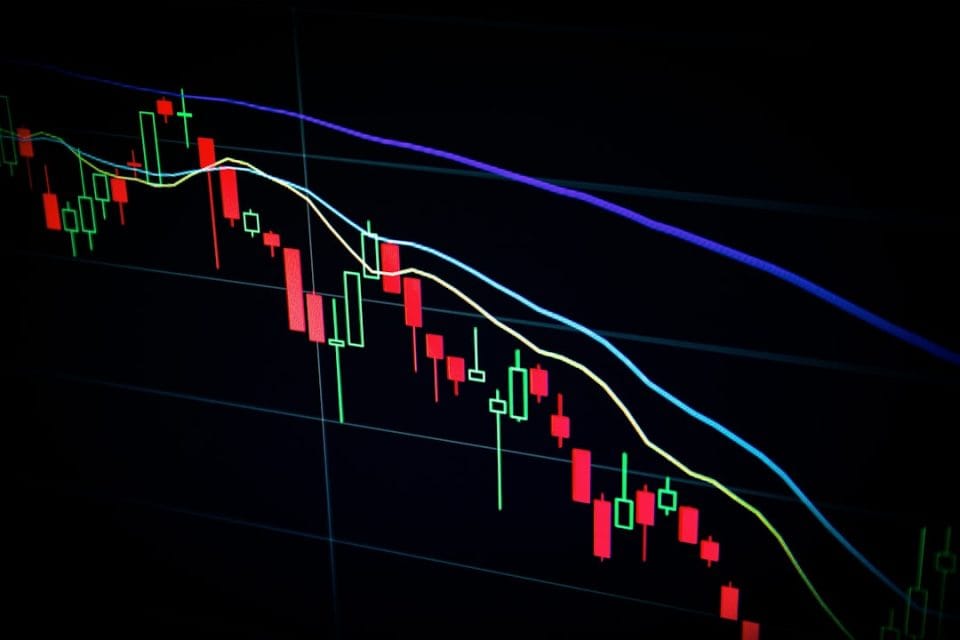
Pairing block trade data with technical levels — support zones, breakout points, or moving average confluences — gives traders a far more complete picture. The alert identifies the who and what; technical analysis helps determine the when and where.
Platforms and Tools That Deliver Real-Time Block Trade Alerts
Pairing block trade data with technical levels — support zones, breakout points, or moving average confluences — gives traders a far more complete picture.
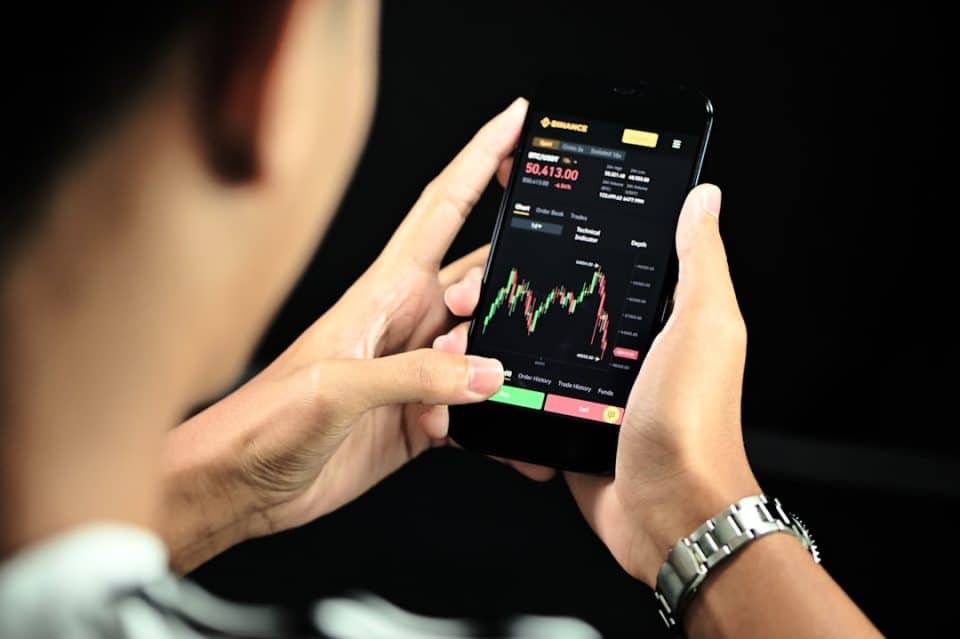
The accessibility of institutional flow data has expanded dramatically. Platforms like Unusual Whales, Cheddar Flow, Market Chameleon, and Flowtrade now offer retail traders access to real-time block trade alert feeds that were once reserved for proprietary desks. Many of these tools include filtering systems, visual dashboards, and even Discord or Telegram integrations so traders receive alerts directly on their phones.
When evaluating a platform, look for transparency in how blocks are classified, latency of the data feed, and the ability to filter by expiration, premium size, and ticker. The best tools don’t just show you the trades — they give you the metadata to assess significance. An alert with $2 million in options premium bought on the ask at the open tells a very different story than a $2 million block sold quietly into the close.
Building a Trading Strategy Around Institutional Flow
Using a block trade alert as a core input in a trading strategy requires structure. Many active traders treat these alerts as confirmation signals rather than standalone triggers — meaning they only act when the block activity aligns with a pre-existing technical setup or market thesis. This approach reduces reactive, emotionally driven trades and keeps the strategy grounded in probability.
Position sizing matters enormously here. Because block trade data is interpreted rather than deterministic, traders who size positions too aggressively on a single alert expose themselves to real risk if the institutional move turns out to be a hedge or a reversal. A measured approach — entering with a partial position, setting a defined stop, and scaling in only if price confirms — preserves capital while still capturing the potential edge these alerts provide.
Institutional money moves markets. It has always been true, and it will remain true regardless of how technology evolves. A block trade alert doesn’t hand you a guarantee — nothing in trading does — but it hands you something arguably more valuable: a real-time window into where the biggest players are putting their money. For active traders willing to do the interpretive work, that window is worth every second of attention.