Colombia's 7.4 Quake Hits Coffee Belt Days Into New Term
A 7.4 magnitude quake in western Colombia has killed at least 287 people and interrupted coffee shipments, handing President Abelardo de la Espriella a disaster response test in his first days in office.
A 7.4 magnitude earthquake in western Colombia has killed at least 287 people and disrupted the country's coffee exports, days after President Abelardo de la Espriella was sworn in, Bloomberg reported from Bogotá.
A magnitude 7.4 earthquake in western Colombia has killed at least 287 people, with rescue crews still pulling through rubble in search of survivors, and it has landed on a government that has barely had time to unpack. President Abelardo de la Espriella was sworn in only days before the ground moved. His first substantive act in office will be a disaster response, conducted in front of a country and a bond market that had not yet formed a view of him.
The economic transmission channel that matters beyond Colombia's borders is coffee. Bloomberg News Latin America government reporter Mie Dahl, speaking from Bogotá on Bloomberg Markets' weekend program with hosts Joe Mathieu and Carol Massar, said the quake has disrupted coffee exports alongside the human toll.
Why western Colombia is the wrong place for a 7.4
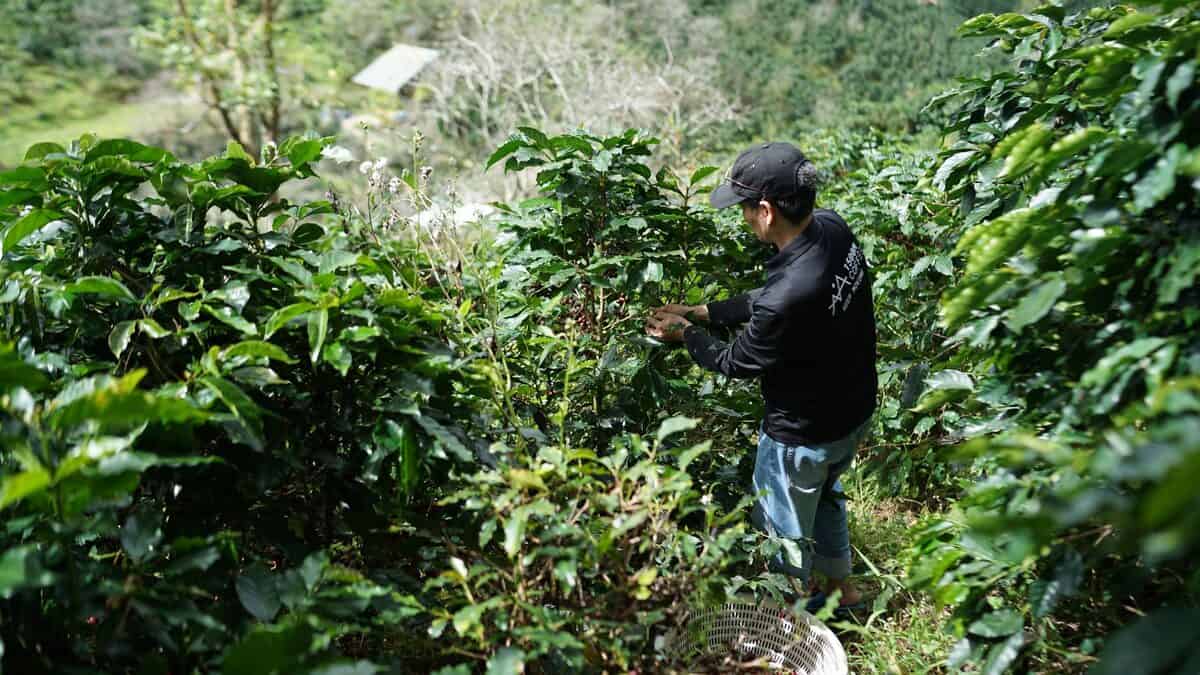
Colombia is the world's leading producer of washed arabica, the mild, high-priced bean that roasters blend into specialty and premium supermarket coffee. Production is concentrated in the mountainous departments of the country's west and centre — the same terrain that carries the roads and rail links from farm to the Pacific and Caribbean ports.
That geography is the point. A quake in a coffee-growing region does not simply damage trees; it severs the logistics between a harvest and a ship. Landslides on mountain highways, damaged warehousing, power interruptions at mills and dry-processing plants, and a labor force that has to attend to its own homes and families can each stop a shipment on their own. Bloomberg's reporting confirms exports have been disrupted. The scale and duration are, at this stage, not established, and any specific tonnage figure circulating in the market should be treated as an estimate rather than a fact.
For traders in arabica, the relevant question is whether this is a timing problem or a crop problem. A blocked road delays deliveries and tightens near-term physical supply, pushing spot differentials and front-month futures around without changing the annual harvest much. Destroyed trees, collapsed terraces and displaced farming households are a multi-year problem, because arabica bushes take years to reach full bearing. Until damage assessments come in from the growing zones, the market is trading uncertainty rather than a quantified loss.
The test facing de la Espriella
Newly inaugurated presidents usually get a grace period. This one has been replaced with a logistics and emergency-management exam that will be graded in real time: how quickly search-and-rescue reaches remote municipalities, whether the national disaster system can move supplies over broken roads, how fast temporary shelter appears, and whether the cabinet — assembled days ago — can function under pressure.
There is a fiscal dimension too. Emergency spending is fast, unbudgeted and politically hard to reverse. Reconstruction of rural roads, bridges, schools and housing in mountainous terrain is expensive per kilometre and slow to execute. Governments in this position typically reach for contingency funds, multilateral lending from the likes of the World Bank and the Inter-American Development Bank, and supplemental budget requests. Each of those choices tells investors something about the new administration's fiscal instincts, and each will be read closely by holders of Colombian sovereign debt who are still forming a first impression of the government's willingness to hold spending discipline under duress.
The political calculus cuts both ways. A visibly competent response can build authority that a new president would otherwise spend months accumulating. A slow or confused one becomes the defining story of the term's opening chapter, and the opposition will make sure of it.
What the coffee chain does next
Roasters and traders will move through a familiar sequence. First, exporters assess which lots are physically reachable and which contracts can still be performed on time. Then buyers look for substitution — other washed-arabica origins in Central America and East Africa — which is where price pressure shows up outside Colombia. Where substitution is impossible because a blend depends on Colombian mild character, buyers either pay up or reformulate.
First, exporters assess which lots are physically reachable and which contracts can still be performed on time.
Points to watch in the coming weeks:
- Official damage assessments from Colombia's coffee-growing departments, distinguishing tree loss from infrastructure loss.
- Port throughput and inland transport reopening timelines on the routes serving the western growing zone.
- Certified exchange inventories of washed arabica, which absorb short-term shipment gaps before prices react.
- Any emergency decree or supplemental budget from the de la Espriella government, and its stated funding source.
- Multilateral emergency credit lines, which would signal the government's preferred route over domestic borrowing.
A global market barely registering it
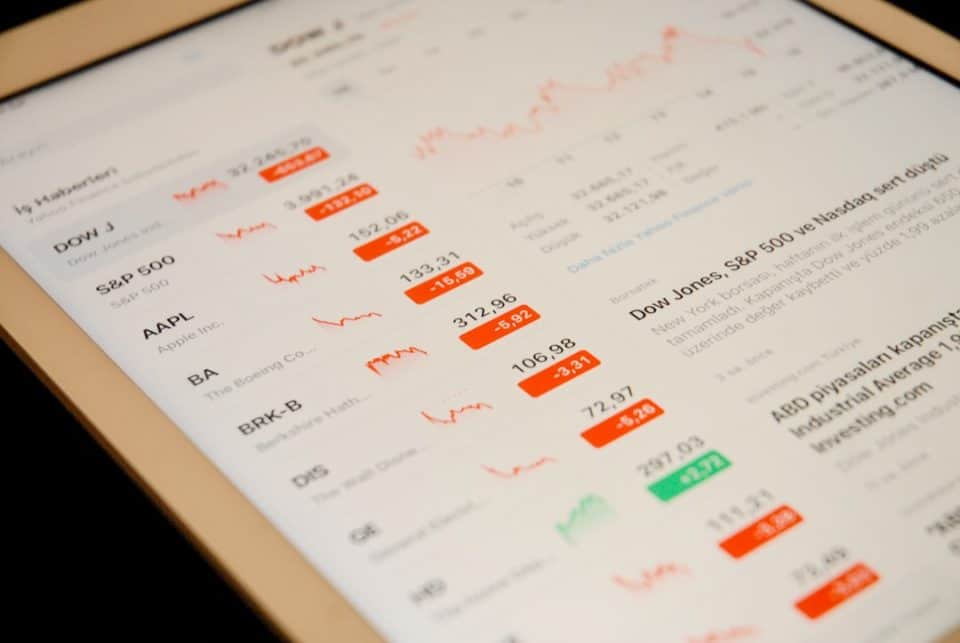
Broad U.S. equity benchmarks closed slightly lower before the weekend, with none of the movement attributable to Colombia. At the last trade on Friday, 14 August 2026, at 20:00 GMT, the S&P 500 tracker (NYSEARCA: SPY) closed at $776.34, down 0.20% from the prior close of $777.88, having traded between $775.43 and $778.80. The Nasdaq 100 fund (NASDAQ: QQQ) finished at $731.07, off 0.14%, and the Dow tracker (NYSEARCA: DIA) closed at $536.80, down 0.21%.
Those are the numbers of an ordinary, quiet session — which is the honest description of how a natural disaster in a mid-sized emerging market registers in U.S. index prices. The effects show up narrowly and later: in soft-commodity futures, in the Colombian peso, in the spread on Colombian dollar bonds, and in the input-cost lines of coffee roasters and café chains a quarter or two from now, if the disruption proves durable.
That narrowness is worth stating plainly rather than dressing up. The 287 confirmed deaths, with rescue operations continuing, are the story. The export disruption is the part that reaches portfolios, and it is at present a known direction with an unknown magnitude. Investors with exposure to arabica pricing, Colombian sovereign credit, or the peso should be watching damage assessments rather than headlines about magnitude, because 7.4 tells you about the seismology and almost nothing about how many bags of coffee ultimately fail to leave the country.
Key facts
- Earthquake magnitude: 7.4, western Colombia
- Confirmed deaths: At least 287, rescues ongoing
- Economic disruption: Coffee exports interrupted
- S&P 500 tracker (SPY): $776.34, -0.20%, close of 14 Aug 2026 20:00 GMT
Frequently asked questions
How large was the Colombian earthquake and how many people died?
The earthquake registered magnitude 7.4 and struck western Colombia. At least 287 people have been confirmed killed, according to Bloomberg's reporting, and rescue teams were still searching for survivors as of 15 August 2026. The death toll from events of this kind commonly rises as crews reach remote municipalities and clear collapsed structures.
Why does the quake matter for global coffee prices?
Colombia is a leading producer of washed arabica, the mild high-grade bean used in specialty and premium blends. Bloomberg reported that the quake disrupted coffee exports. Damage to mountain roads, mills and warehousing in growing regions can delay shipments and tighten near-term physical supply, which typically shows up first in spot differentials and front-month arabica futures.
Who is Abelardo de la Espriella?
Abelardo de la Espriella is Colombia's president, sworn into office only days before the magnitude 7.4 earthquake struck the country's west. The disaster has become the first major test of his administration, forcing an emergency response and spending decisions before the new cabinet has had time to establish routine governance.
Could this permanently reduce Colombian coffee output?
It depends on whether the damage is to infrastructure or to the trees themselves. Blocked roads and damaged mills delay shipments but leave the harvest intact. Destroyed arabica bushes and terraces are a multi-year problem, because replanted trees take years to reach full bearing. Official damage assessments from the growing departments will settle this question.
How did U.S. markets react?
They did not react meaningfully. At the last trade on 14 August 2026 at 20:00 GMT, the S&P 500 tracker SPY closed at $776.34, down 0.20%; the Nasdaq 100 fund QQQ closed at $731.07, down 0.14%; and the Dow tracker DIA closed at $536.80, down 0.21%. A disaster in a mid-sized emerging market rarely moves U.S. index prices directly.
What should investors watch next?
Watch official damage assessments from Colombia's coffee departments, the reopening timeline for inland transport and port routes serving the west, certified exchange inventories of washed arabica, and any emergency decree or supplemental budget from the de la Espriella government — including whether it turns to multilateral lenders or domestic borrowing to fund reconstruction.
Sources
- Colombia Quake Tests New President Days Into Term — Bloomberg Markets
Photo: 1500m Coffee · Pexels Licence — source