

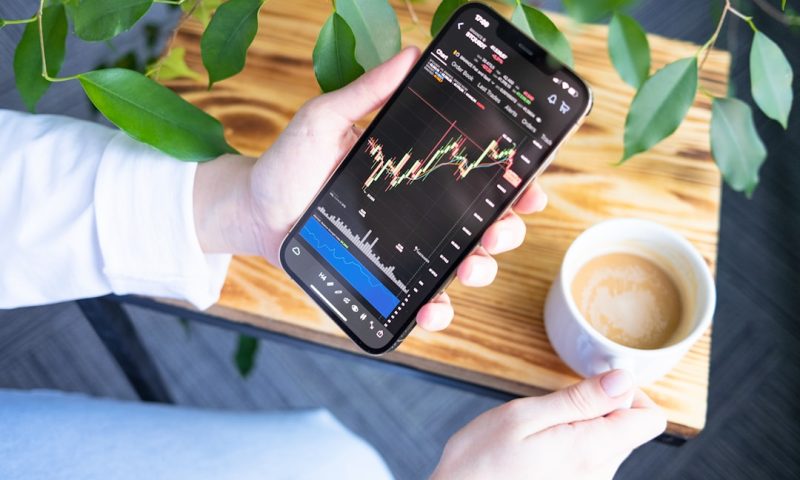
When large institutional investors place massive options bets, they rarely do so quietly. The footprints they leave behind in the form of unusual options flow have become one of the most powerful leading indicators for predicting market direction, offering retail traders and investors a glimpse into the strategies of Wall Street’s biggest players.
Unusual options flow refers to abnormally high trading volume in specific options contracts that significantly exceeds their normal activity levels. These spikes often signal that informed traders—hedge funds, institutional investors, or corporate insiders—are positioning themselves for anticipated price movements in the underlying securities. Unlike regular stock trading, options activity provides directional bias and timing expectations, making it an invaluable tool for market analysis.
The significance of tracking unusual options flow lies in its predictive power. When sophisticated traders commit substantial capital to options positions, they typically possess information or analysis suggesting imminent price action. A sudden surge in call option volume might indicate expectations of positive earnings surprises, merger announcements, or favorable regulatory decisions. Conversely, unusual put activity could signal anticipated negative developments or broader market downturns.
Professional traders monitor several key metrics when analyzing unusual options flow. Volume compared to open interest reveals whether positions are being opened or closed, while the ratio of calls to puts indicates bullish or bearish sentiment. Premium levels show how much traders are willing to pay for their convictions, with higher premiums suggesting stronger confidence in directional moves. Time to expiration is equally crucial, as near-term unusual activity often signals imminent catalysts.
The relationship between unusual options flow and market direction extends beyond individual stocks to broader market indices. When unusual activity concentrates in SPY, QQQ, or VIX options, it frequently precedes significant market-wide movements. Institutional portfolio managers use these instruments to hedge large positions or capitalize on macroeconomic trends, making their collective actions a barometer for overall market sentiment.
Technology has democratized access to unusual options flow data, with sophisticated scanning tools now identifying anomalous activity in real-time. These platforms filter through millions of daily options contracts to highlight those with volume spikes, unusual bid-ask spreads, or suspicious timing patterns. However, interpreting this data requires understanding the nuances of options pricing, market microstructure, and the various strategies institutions employ.
Not all unusual options flow carries equal predictive value. Block trades executed through dark pools by institutional investors carry more weight than retail-driven social media frenzies. Similarly, activity in liquid, high-volume stocks tends to be more meaningful than spikes in thinly traded securities where a few large orders can create misleading signals. Context matters tremendously—unusual flow ahead of earnings announcements follows different patterns than activity preceding FDA approvals or merger discussions.
The timing aspect of unusual options flow analysis cannot be overstated. Options are wasting assets with expiration dates, forcing traders to be precise about their timing expectations. When institutions purchase expensive near-term options, they’re essentially placing time-sensitive bets on specific catalysts. This creates actionable intelligence for other market participants who can position themselves accordingly.
Risk management remains paramount when trading based on unusual options flow signals. Even sophisticated institutional trades can be wrong, and markets can remain irrational longer than individual traders can stay solvent. The most successful approach involves using unusual flow as one component of a comprehensive analysis framework that includes technical indicators, fundamental analysis, and broader market conditions.
Understanding unusual options flow provides retail investors with a significant informational advantage in an increasingly complex market environment. By following the money trails left by institutional players, individual traders can position themselves ahead of major price movements and market shifts. While no indicator is foolproof, the collective wisdom embedded in unusual options activity continues to serve as one of the most reliable predictors of future market direction available to today’s informed investors.