

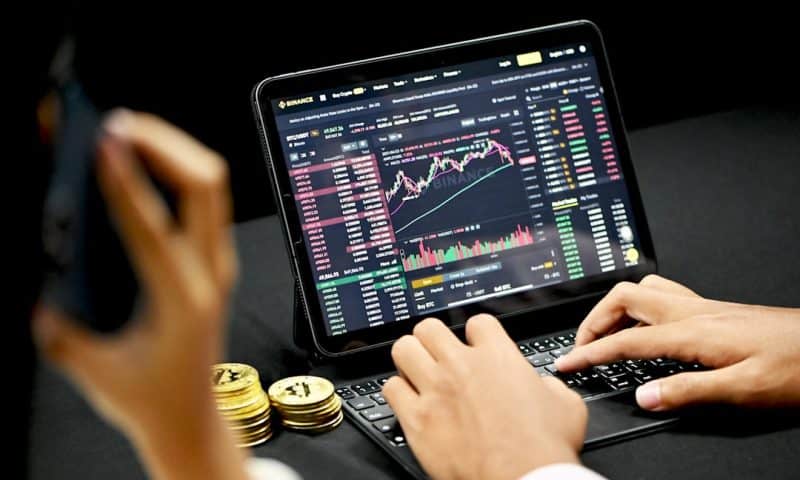
When institutional investors move millions of dollars in single transactions, they rarely do so quietly. These massive trades, captured through sophisticated block trade alert systems, offer retail traders and market analysts a rare glimpse into the strategic thinking of Wall Street’s biggest players. Understanding these signals has become essential for anyone serious about predicting market direction and positioning themselves alongside smart money.
A block trade alert triggers when unusually large orders—typically involving thousands of shares or contracts worth substantial amounts—execute in the market. Unlike regular trading activity, these transactions represent deliberate institutional decisions that often precede significant price movements. Financial institutions, hedge funds, and pension funds don’t make these moves lightly; they represent calculated bets based on extensive research and insider knowledge of market conditions.
The significance extends far beyond the immediate transaction. When a major institution purchases 50,000 shares of a particular stock or executes a massive options trade, it signals conviction about future price direction. These alerts serve as early warning systems for broader market shifts, often appearing hours or days before retail investors notice the underlying trends driving institutional behavior.
Modern trading platforms have democratized access to this information through real-time block trade alert systems. These tools scan market data continuously, identifying unusual trading patterns and flagging them for subscribers. The technology has evolved to filter out routine institutional rebalancing and highlight truly significant moves that suggest directional bets or hedging strategies.
Decoding the Signal Behind Large Transactions
Not all block trades carry equal weight in market analysis. A block trade alert becomes most valuable when combined with context about timing, market conditions, and the specific security involved. For instance, massive put option purchases during market highs might signal institutional preparation for downturns, while large equity accumulation during selloffs could indicate value buying opportunities.
The velocity and clustering of these alerts provide additional intelligence. Multiple institutions moving in the same direction within short timeframes often precede significant market movements. Conversely, conflicting signals—some institutions buying while others sell—might indicate uncertainty or transitional market periods requiring careful navigation.
Options block trades deserve particular attention due to their leveraged nature and specific expiration timelines. When institutions make large options bets, they’re not just expressing directional views but also timing expectations. A massive call option purchase expiring in three months suggests not only bullish sentiment but confidence that positive movement will occur within that specific timeframe.
Integration with Broader Market Analysis
Successful traders integrate block trade alert information with technical analysis, fundamental research, and broader market sentiment indicators. The alerts work best as confirmation tools rather than standalone trading signals. When block trade activity aligns with technical breakout patterns or fundamental catalysts, the combined signal strength increases substantially.
Sector rotation often becomes visible through block trade patterns before showing up in traditional analysis. Large institutions shifting capital between technology and healthcare stocks, for example, might signal changing economic expectations or regulatory concerns not yet reflected in mainstream financial media coverage.
The democratization of block trade alert access has leveled the playing field between institutional and retail investors in unprecedented ways. While retail traders cannot match institutional capital or research capabilities, they can now observe and potentially follow the same market signals that guide billion-dollar investment decisions. This transparency has fundamentally altered market dynamics, creating opportunities for sophisticated individual investors to position themselves alongside smart money rather than against it.
Understanding and utilizing block trade alerts effectively requires discipline, context awareness, and integration with comprehensive market analysis. These signals represent one of the most direct windows into institutional thinking available to modern traders, offering valuable insights into market direction for those equipped to interpret them correctly.