

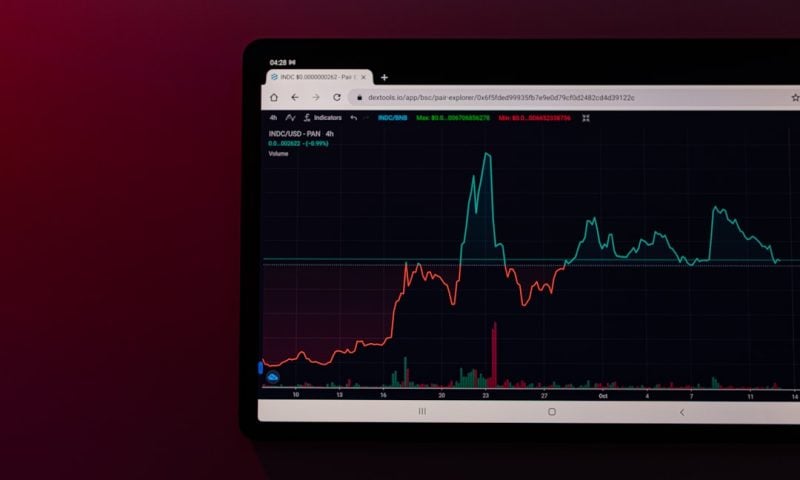
Market dynamics are shifting in profound ways as sophisticated investors increasingly rely on automated screening tools to identify emerging opportunities. The convergence of technical analysis, fundamental metrics, and algorithmic detection has created an environment where stock screener breakout patterns are becoming more predictive and actionable than ever before.
Professional traders and institutional investors have long understood that systematic approaches to market analysis yield superior results compared to emotional or intuitive decision-making. Today’s advanced screening platforms aggregate millions of data points across multiple timeframes, creating unprecedented clarity around potential breakout scenarios. When multiple screening criteria align simultaneously, the probability of significant price movements increases dramatically.
The most compelling aspect of current market conditions lies in the sheer volume of securities displaying pre-breakout characteristics across various screening parameters. Traditional technical indicators like moving average convergence, volume expansion, and relative strength measurements are coinciding with fundamental improvements in earnings growth, revenue acceleration, and margin expansion. This confluence creates what seasoned analysts recognize as high-probability setup conditions.
Institutional money flows provide additional confirmation for stock screener breakout scenarios. Large-scale portfolio managers utilize sophisticated algorithms that continuously monitor thousands of potential positions, automatically flagging securities that meet specific technical and fundamental criteria. When these systems generate buy signals simultaneously across multiple stocks within similar sectors or market capitalizations, it often precedes broader market movements.
The technological evolution of screening platforms has democratized access to institutional-quality analysis tools. Retail investors now possess capabilities that were previously exclusive to hedge funds and investment banks. Modern stock screener breakout identification incorporates machine learning algorithms that adapt to changing market conditions, improving accuracy over time. These systems analyze historical breakout success rates, adjusting parameters based on market volatility, sector rotation patterns, and macroeconomic variables.
Current screening data reveals several noteworthy patterns emerging across different market segments. Growth-oriented technology stocks are displaying increased breakout frequency following recent consolidation periods, while value-focused financial and energy sectors show accumulation patterns that historically precede significant upward movements. Healthcare and biotechnology companies are generating particularly strong screening signals, driven by both technical momentum and fundamental catalysts including regulatory approvals and earnings surprises.
Risk management considerations become paramount when acting on stock screener breakout signals. Successful implementation requires understanding that not every screening alert will result in profitable trades. Professional investors typically allocate capital across multiple screened opportunities, recognizing that portfolio-level success depends on maintaining favorable risk-adjusted returns rather than perfect individual trade execution. Position sizing, stop-loss protocols, and profit-taking strategies must align with overall portfolio objectives.
The integration of alternative data sources into modern screening platforms adds another layer of sophistication to breakout detection. Social media sentiment analysis, satellite imagery data, credit card transaction volumes, and supply chain monitoring now complement traditional price and volume metrics. This multi-dimensional approach to stock screener breakout identification provides early warning systems for both positive and negative catalysts that might impact individual securities or entire sectors.
Market microstructure changes have also influenced the effectiveness of breakout strategies. Increased algorithmic trading, reduced transaction costs, and improved execution speeds mean that valid breakout signals can trigger rapid price movements. Investors who quickly recognize and act upon legitimate stock screener breakout patterns often capture the most significant portion of subsequent price appreciation, while delayed responses may result in reduced profit potential.
The convergence of technical momentum, fundamental improvement, and institutional interest creates a compelling environment for equity appreciation. Investors who systematically monitor stock screener breakout signals while maintaining disciplined risk management practices are positioning themselves to benefit from what appears to be an emerging period of increased market opportunity. The key lies in distinguishing between genuine breakout setups and false signals, a skill that improves through consistent application of proven screening methodologies and careful performance analysis.