

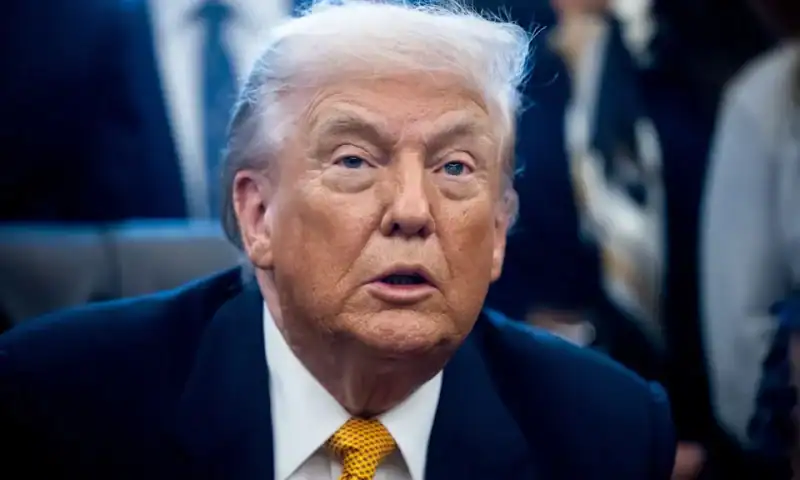
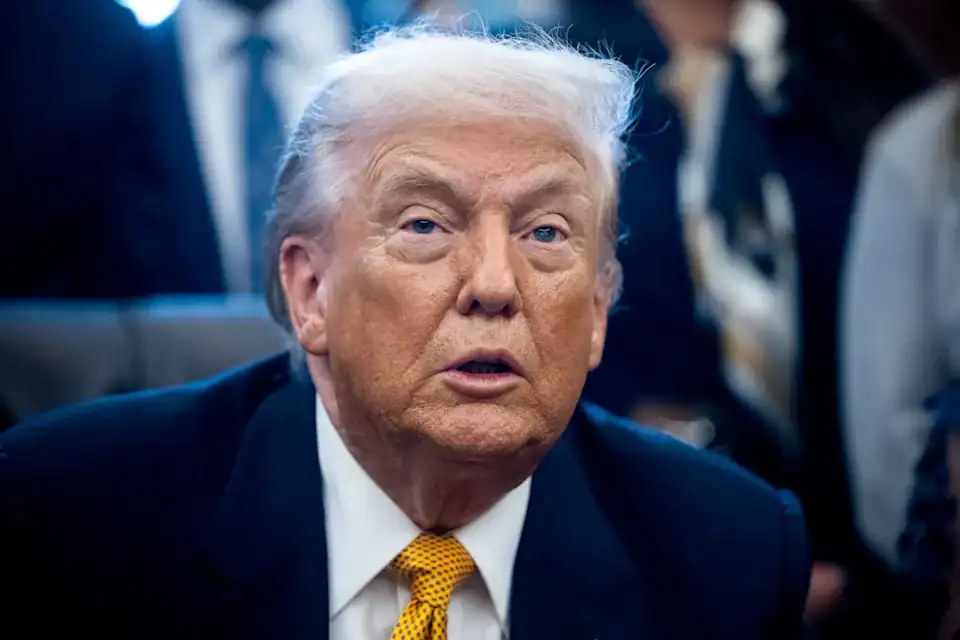
Oil fell for the first time in six days after US President Donald Trump signaled he may hold off on attacking Iran for now.
Brent dropped as much as 3.4% to trade below $65 a barrel after gaining about 11% over the past week while West Texas Intermediate was near $60. Trump said he’d been assured that Iran would stop killing protesters, reducing the likelihood of an immediate US military response to the demonstrations against the government of Supreme Leader Ayatollah Ali Khamenei and of disruptions to Iranian production and key shipping lanes.
Still, the situation in Iran remained volatile. Authorities temporarily closed the airspace around Tehran, while the US redeployed some personnel in Qatar and around other American military bases in the region.
Oil has pushed higher in the new year as turmoil in OPEC’s fourth-largest producer, along with upheaval in Venezuela, restored a premium to prices following a run of five monthly losses spurred by expectations for a glut. Trump said he had a “very good call” with acting Venezuelan President Delcy Rodriguez on Wednesday, with topics including oil.
Separately, the US president told Reuters that he believes it would be better for Venezuela to remain in OPEC, but was unsure if that would be a better situation for the US, adding that Washington hadn’t discussed this with Caracas.
“Geopolitically induced strength in Brent likely continues, and a test up to $75 is certainly possible,” said Robert Rennie, the head of commodity research at Westpac Banking Corp. The rally may be followed by a collapse when the “all-clear is sounded” or Khamenei’s regime crumbles, similar to the market movement during the Iran-Israel conflict in June, he said.

Elsewhere, US government data showed nationwide crude stockpiles rose 3.4 million barrels last week — the largest build since early November. The rising inventories, more Venezuelan oil heading to the US, plus a disruption at a key terminal in the Black Sea has pushed WTI to near the deepest discount in 15 months relative to Brent.