

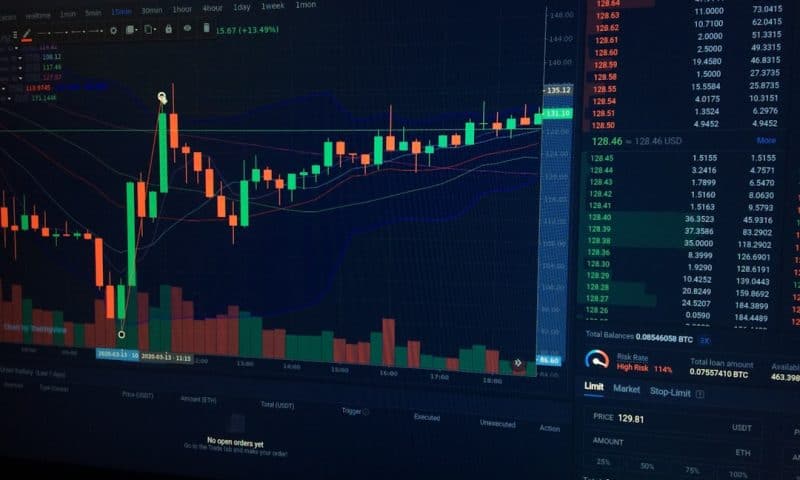
Global markets are painting a vivid picture of renewed investor confidence, with risk-on sentiment becoming the dominant force driving asset allocation decisions across major exchanges. From surging equity indices to retreating safe-haven demand, the financial landscape is witnessing a fundamental shift in how investors perceive opportunity versus uncertainty.
This transformation in market psychology reflects more than just temporary optimism—it represents a calculated recalibration of risk tolerance based on evolving economic fundamentals, policy adjustments, and corporate performance metrics that suggest sustainable growth ahead.
The Anatomy of Current Risk-On Behavior
Risk-on sentiment manifests through distinct patterns that experienced traders recognize immediately. Growth stocks are outpacing value plays by significant margins, with technology and consumer discretionary sectors leading the charge. Simultaneously, traditional safe-haven assets like gold and government bonds are experiencing notable outflows as investors redirect capital toward higher-yielding opportunities.
Currency markets provide equally compelling evidence of this risk appetite surge. High-yielding currencies are strengthening against traditional safe-haven options like the Japanese yen and Swiss franc, while emerging market currencies benefit from increased foreign investment flows. These movements create a self-reinforcing cycle where improving sentiment attracts more capital, further validating the risk-on narrative.
Corporate credit spreads have compressed substantially, indicating that investors are comfortable lending to riskier borrowers at lower premiums. This credit market behavior often serves as a leading indicator of broader economic confidence, suggesting that the current risk-on sentiment has solid foundational support rather than being driven purely by speculative fervor.
Volatility indices across global markets have declined to levels that historically coincide with sustained periods of economic expansion. The VIX, often called the “fear gauge,” has settled into ranges that suggest investors expect continued stability and growth rather than dramatic market disruptions.
Implications for Investment Strategy
Understanding the sustainability of risk-on sentiment becomes crucial for portfolio positioning. Historical analysis reveals that these periods can persist for months or even years when supported by strong economic fundamentals, but they can also reverse quickly when external shocks or policy changes alter the risk-reward calculus.
Smart money appears to be positioning for extended growth cycles while maintaining strategic hedges against potential reversals. This balanced approach recognizes that risk-on sentiment, while powerful, operates within broader economic cycles that eventually shift.
Sector rotation patterns during risk-on periods typically favor cyclical industries, technology innovators, and companies with significant international exposure. These businesses benefit most from the increased capital flows and higher risk tolerance that characterize such market environments.
The current risk-on sentiment surge reflects genuine shifts in investor psychology backed by tangible market mechanics. From compressed credit spreads to currency strength patterns, multiple indicators suggest this trend has momentum behind it. However, successful navigation requires understanding that market sentiment, while powerful, remains inherently cyclical. Investors who recognize these patterns while maintaining appropriate risk management can position themselves to benefit from continued optimism while protecting against inevitable future shifts in market psychology.