

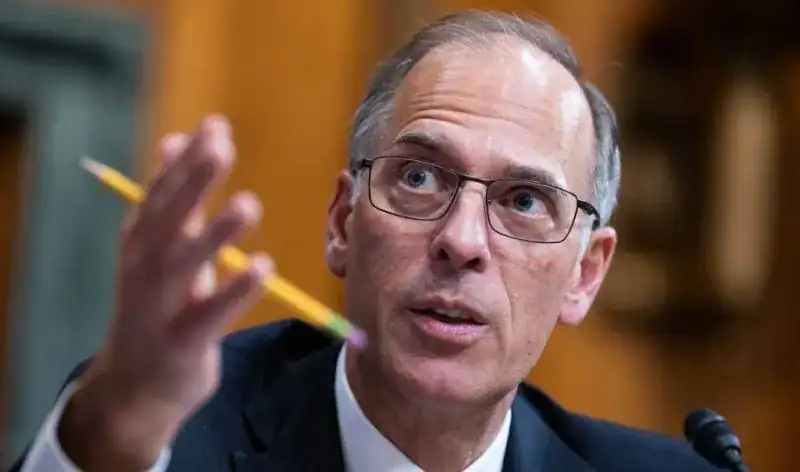
High earners continue to drive spending as the K-shaped economy remains “firmly intact,” according to Moody’s Analytics chief economist Mark Zandi.
Americans in the top 20% by income — those earning more than $175,000 a year — account for nearly 60% of outlays, an “astounding” share, Zandi wrote Sunday, citing an updated estimate for the first quarter of 2026.
Personal outlays include consumer spending, interest payments on installment debt like car loans and transfers such as donations.
The top 20% increased outlays by 6.5% over the past year, outpacing inflation, Zandi found. Meanwhile, outlays by those in the bottom 80% fell short of inflation, rising just 2.6%.
“No wonder most Americans are upset with their financial situations and the broader economy,” Zandi wrote.
The so-called K-shaped economy, a reference to the letter’s diverging arms, has become a popular way to describe uneven economic outcomes, with higher-income Americans pulling ahead while others struggle to keep up.
The concept has helped explain why broad measures of the economy don’t always reflect the financial struggles many Americans report feeling.
Corporate America has noticed the divide. Airlines, for example, have leaned into premium offerings as higher-income travelers continue to spend, while McDonald’s executives continue to cite pressure among lower-income consumers.
The K-shaped pattern has also shown up at the gas pump, with lower-income Americans cutting back amid the war in Iran while wealthier households made few changes to their fuel spending.
Moody’s analysis suggests the overall spending gap between the top 20% and the bottom 80% isn’t new but has widened in recent years.
In the mid-1990s, the groups accounted for roughly equal shares of consumer spending, but over time, higher earners have accounted for a larger portion.
Zandi acknowledged that his estimates have faced some methodological criticism and may “overstate the case,” but argued the latest figures still show the economy is “K-shaped and becoming increasingly so.”
A growing reliance on high earners is a concern because it leaves the economy highly dependent on a “small group of the well-to-do,” whose spending is influenced by “how their stock portfolios are performing,” Zandi wrote earlier this year.
That could make the economy more exposed during stock market downturns if wealthy households decide to pull back.