

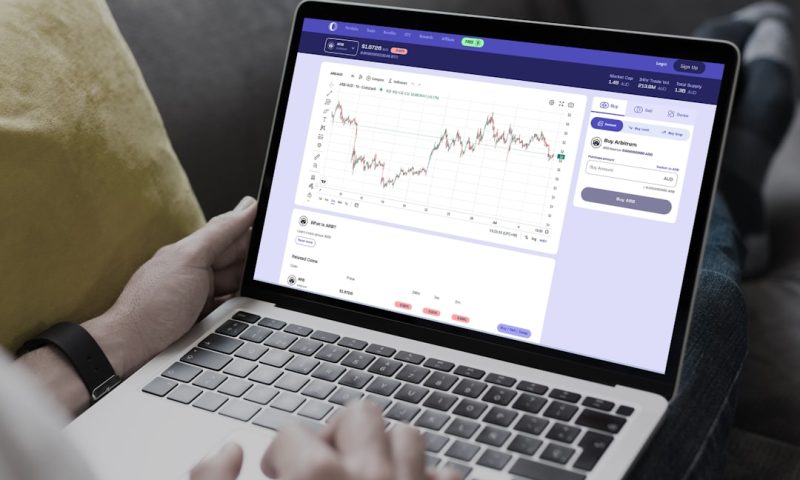
Walk into any hedge fund trading floor and you’ll witness a sophisticated dance of algorithms, data streams, and split-second decisions. Among the most powerful weapons in their arsenal is the ability to identify and execute stock screener breakout trades with surgical precision. These institutional players don’t rely on gut feelings or hot tips—they leverage systematic approaches that can be replicated by savvy individual investors who understand the underlying mechanics.
The foundation of any successful stock screener breakout strategy begins with understanding what institutional traders consider genuine breakout signals versus false moves that trap amateur traders. Hedge funds typically focus on breakouts accompanied by volume surges exceeding 150% of the stock’s average daily volume, combined with technical patterns that have been consolidating for at least three weeks. This timeframe allows for proper base-building while filtering out short-term noise that often misleads retail investors.
Professional traders configure their screening parameters around specific price action criteria that have demonstrated statistical significance across thousands of historical trades. The most effective stock screener breakout setups involve stocks trading above their 50-day moving average, showing relative strength against the broader market, and breaking through clearly defined resistance levels with authority. Hedge funds particularly favor stocks that gap up on earnings or news catalysts while maintaining tight bid-ask spreads to ensure optimal execution.
Volume analysis represents perhaps the most critical component of institutional breakout trading. Sophisticated traders examine not just absolute volume spikes, but also the character of that volume—whether it represents accumulation by smart money or distribution by insiders. They look for what’s known as “smart volume,” characterized by large block trades executed during periods of minimal price volatility, suggesting institutional accumulation ahead of major moves. This approach helps distinguish between sustainable breakouts and temporary momentum bursts.
Risk management separates professional hedge fund approaches from amateur trading strategies. Institutional traders never enter a stock screener breakout position without predetermined exit criteria, typically risking no more than 1-2% of their portfolio on any single trade. They employ stop-losses placed just below the breakout level, understanding that failed breakouts often lead to sharp reversals. More importantly, they scale into positions gradually, adding to winners while cutting losers quickly—a discipline that requires both systematic rules and emotional control.
The timing of breakout entries follows specific protocols that maximize the probability of success. Hedge funds avoid chasing stocks that have already moved significantly from their breakout points, instead focusing on entries within the first few hours of a confirmed break. They understand that the strongest moves often occur in the initial thrust, but they also wait for pullbacks to the breakout level to add to positions, a technique known as “buying the retest” that provides more favorable risk-reward ratios.
Sector rotation and market timing play crucial roles in institutional breakout strategies. Professional traders recognize that stock screener breakout success rates vary dramatically depending on overall market conditions and sector momentum. During bull market phases, they increase their breakout trading activity while maintaining higher position sizes. Conversely, during uncertain market periods, they focus only on the highest-conviction setups while reducing overall exposure. This adaptive approach allows them to capitalize on favorable conditions while preserving capital during challenging periods.
Technology infrastructure gives hedge funds significant advantages in executing breakout strategies, but individual traders can level the playing field by utilizing advanced screening tools and real-time data feeds. Modern platforms offer sophisticated filtering capabilities that can identify potential breakout candidates based on multiple technical and fundamental criteria simultaneously. The key lies in creating systematic screening processes that remove emotional bias while focusing on statistically proven patterns.
Mastering stock screener breakout trading like a hedge fund requires discipline, proper risk management, and systematic execution rather than complex strategies or insider information. By focusing on high-probability setups, managing risk religiously, and maintaining the emotional discipline to follow predetermined rules, individual traders can adopt the same methodical approaches that generate consistent profits for institutional players. The difference between amateur and professional breakout trading ultimately comes down to treating each trade as part of a larger statistical edge rather than searching for home run hits.