

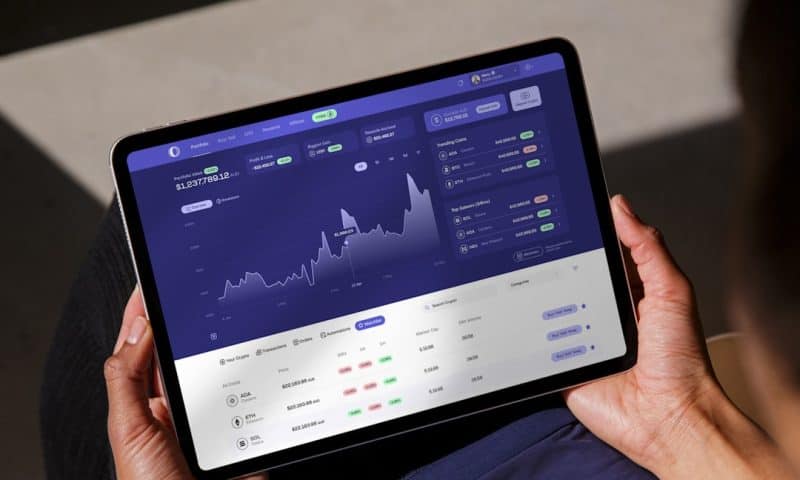
The most successful hedge funds share one crucial trait: they systematically identify and capitalize on stock screener breakout opportunities with surgical precision. While retail investors often chase momentum after the fact, institutional traders use sophisticated screening methodologies to position themselves ahead of major price movements, generating consistent alpha in volatile markets.
The foundation of professional stock screener breakout trading lies in understanding that not all breakouts are created equal. Hedge funds employ multi-layered screening criteria that go far beyond simple price action. They analyze volume patterns, institutional ownership changes, earnings revisions, and sector rotation dynamics to identify stocks positioned for sustainable moves rather than false breakouts that trap amateur traders.
Volume analysis forms the cornerstone of institutional breakout identification. Professional traders specifically look for stocks showing abnormal volume spikes that coincide with technical resistance breaks. This combination indicates genuine institutional participation rather than retail-driven noise. The most profitable stock screener breakout setups typically exhibit volume increases of 200-300% above their 20-day average, accompanied by price movements through clearly defined resistance levels established over multiple timeframes.
Risk management separates hedge fund approaches from typical retail strategies. Institutional traders never risk more than 1-2% of their portfolio on any single stock screener breakout trade, regardless of conviction level. They establish clear stop-loss levels before entry, typically 5-8% below the breakout point, and use position sizing that accounts for volatility. This disciplined approach allows them to weather inevitable losing trades while maximizing gains from successful breakouts.
The timing component of professional breakout trading involves understanding market cycles and sector rotations. Hedge funds recognize that stock screener breakout success rates vary significantly based on overall market conditions. During strong bull markets, breakout success rates can exceed 65%, while bear market conditions often see failure rates above 70%. Professional traders adjust their screening parameters and position sizes accordingly, becoming more selective during unfavorable market regimes.
Technology plays a crucial role in institutional breakout identification. Advanced screening platforms allow hedge funds to monitor thousands of stocks simultaneously, applying complex algorithms that identify emerging patterns before they become obvious to the broader market. These systems scan for specific combinations of technical indicators, fundamental metrics, and sentiment data that historically correlate with successful breakouts.
Entry execution represents another area where hedge funds excel. Rather than buying immediately at breakout levels, professional traders often wait for pullbacks to the breakout point, using limit orders to achieve better entry prices. This patience frequently results in improved risk-reward ratios, as entries closer to support levels allow for tighter stop-losses while maintaining upside potential.
The most sophisticated hedge funds also incorporate options strategies into their stock screener breakout approach. They might purchase call options on high-conviction breakout candidates, limiting downside risk while maintaining significant upside exposure. This approach proves particularly effective for smaller positions where the potential for large percentage gains justifies the premium paid for optionality.
Mastering stock screener breakout trading like a hedge fund requires combining systematic screening methodology with disciplined risk management and strategic timing. Success comes not from finding the perfect breakout, but from consistently applying proven criteria that identify high-probability setups while managing downside risk. By adopting these institutional techniques and maintaining the patience to wait for optimal opportunities, individual traders can significantly improve their breakout trading results and build sustainable long-term performance.