

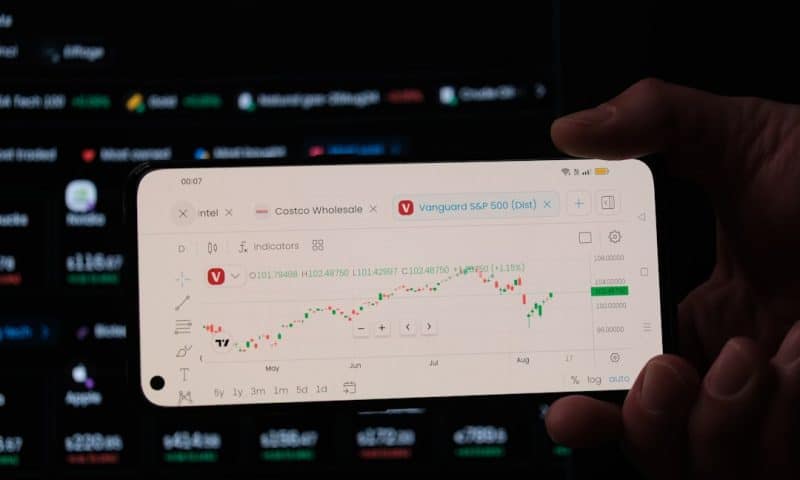
When corporate insiders put their own money on the line, sophisticated investors take notice. An insider buying signal represents one of the most reliable indicators that a stock may be undervalued, yet most retail investors either ignore these signals entirely or fail to interpret them correctly. Hedge funds and institutional investors, however, have refined their approach to tracking insider activity into a systematic strategy that consistently outperforms the market.
The foundation of successful insider buying analysis lies in understanding what motivates executives to purchase shares of their own companies. While insiders may sell stock for numerous reasons—diversification, tax planning, or personal expenses—they typically buy for only one reason: they believe the stock is undervalued relative to its intrinsic worth. This asymmetric information advantage makes every insider buying signal a potential goldmine for astute investors who know how to decode the underlying message.
Professional money managers don’t simply track insider purchases; they analyze the quality and context of each transaction. A CEO purchasing $50,000 worth of stock represents a dramatically different signal than a board member buying $5,000 worth of shares. The former suggests strong conviction about the company’s prospects, while the latter might represent routine compliance or token investment. Hedge funds typically establish minimum thresholds—often $100,000 or more—before considering an insider buying signal worthy of investigation.
Timing plays a crucial role in interpreting insider activity. Purchases made immediately following earnings announcements or during periods of market volatility carry different implications than those made during quiet periods. The most compelling insider buying signals often occur when executives purchase shares during apparent company difficulties or broader market downturns. These contrarian purchases suggest that insiders possess material information indicating the problems are temporary or that the market has overreacted to negative developments.
Screening for High-Quality Insider Buying Opportunities
Institutional investors employ sophisticated screening criteria to identify the most promising insider buying signals. They prioritize companies where multiple insiders are purchasing shares simultaneously, as this clustering suggests widespread confidence among the management team. Additionally, they focus on purchases made in the open market rather than through pre-arranged trading plans, as discretionary purchases carry greater conviction.
The most valuable insider buying signals often emerge from companies trading at significant discounts to their historical valuations or peer group multiples. Hedge funds combine insider activity data with fundamental analysis, looking for situations where insider confidence aligns with attractive valuation metrics. This dual confirmation approach helps filter out insider purchases that might be motivated by factors other than genuine undervaluation.
Sector rotation and market cycles also influence how professionals interpret insider activity. During periods of sector-specific weakness, an insider buying signal in an out-of-favor industry can indicate that management anticipates a cyclical recovery ahead of broader market recognition. Technology executives purchasing shares during innovation cycles, healthcare leaders buying during regulatory uncertainty, or energy executives investing during commodity downturns often signal inflection points that sophisticated investors can capitalize on.
Execution Strategies That Maximize Returns
The most successful hedge fund managers don’t simply buy every stock showing insider purchasing activity. They employ position sizing strategies that reflect the strength of the insider buying signal and the company’s risk profile. Concentrated positions may be warranted when C-suite executives make substantial purchases in fundamentally sound companies, while smaller positions might be appropriate for speculative situations or when insider activity is less definitive.
Risk management remains paramount when trading on insider buying signals. Professional investors typically implement stop-loss orders and predetermined exit strategies, recognizing that even well-informed insiders can be wrong about timing or external factors beyond their control. They also diversify across multiple insider buying opportunities rather than concentrating risk in a single position, regardless of how compelling the signal appears.
Mastering the art of insider buying analysis requires patience, discipline, and a systematic approach to signal evaluation. By adopting the rigorous screening methods and risk management techniques employed by successful hedge funds, individual investors can harness the power of insider buying signals to identify undervalued opportunities before they become obvious to the broader market. The key lies not just in identifying insider purchases, but in understanding the context, quality, and implications of each transaction within the broader investment landscape.