

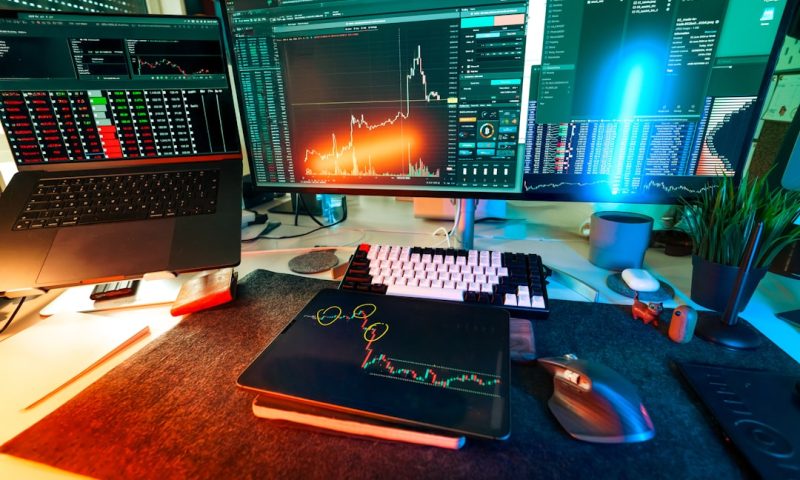
Institutional investors are no longer operating in the shadows as sophisticated block trade alert systems revolutionize how equity markets function. These advanced notification systems have fundamentally altered the landscape of large-scale trading, creating unprecedented transparency and shifting the balance of power between retail and institutional investors.
The emergence of real-time block trade alert platforms has democratized access to information that was once exclusively available to Wall Street insiders. When pension funds, hedge funds, or other institutional players execute trades worth millions of dollars, these alert systems immediately notify subscribers about the transaction details, including volume, price, and timing. This instant access to institutional trading patterns has empowered smaller investors to make more informed decisions and potentially ride the coattails of sophisticated money managers.
Market volatility has intensified as a direct result of widespread block trade alert adoption. Previously, large institutional trades could be executed with minimal immediate market impact, allowing institutions to build or unwind positions gradually. However, the proliferation of these alert systems means that significant trades are instantly broadcast to thousands of market participants, often triggering immediate follow-on activity that amplifies price movements. This phenomenon has particularly affected mid-cap and small-cap stocks, where large block trades represent a more substantial percentage of daily trading volume.
The technology behind modern block trade alert systems leverages artificial intelligence and machine learning algorithms to identify unusual trading patterns across multiple exchanges simultaneously. These sophisticated platforms can detect when institutional investors are accumulating or distributing shares, even when they attempt to disguise their activities through complex execution strategies. The speed and accuracy of these systems have improved dramatically, with some platforms delivering alerts within microseconds of trade execution.
Professional traders and investment managers have been forced to adapt their strategies in response to the widespread availability of block trade alert information. Many institutions now employ more sophisticated execution algorithms designed to minimize detection, breaking large orders into smaller parcels spread across longer time periods and multiple venues. This cat-and-mouse game between institutions seeking privacy and alert systems designed to detect their activities has driven significant innovation in both execution technology and surveillance capabilities.
The regulatory implications of block trade alert systems continue to evolve as market structure adapts to this new transparency paradigm. While these systems promote market efficiency by reducing information asymmetries, they also raise questions about market stability and the potential for increased volatility. Some market participants argue that instant notification of large trades may actually decrease market efficiency by preventing institutions from executing large orders at favorable prices, potentially increasing transaction costs that ultimately impact pension funds and other long-term investors.
Retail investors have emerged as significant beneficiaries of block trade alert technology, gaining access to institutional trading intelligence that was previously unavailable. Many individual investors now incorporate block trade alerts into their investment decision-making process, using this information to identify potential momentum opportunities or to validate their own research. However, experts caution that following institutional trades blindly can be risky, as retail investors may not understand the full context or strategic objectives behind large block transactions.
The future of equity markets will likely be shaped by the continued evolution of block trade alert systems and the ongoing arms race between transparency and privacy in institutional trading. As these platforms become more sophisticated and widely adopted, market participants must navigate an environment where information flows faster than ever before, creating both opportunities and risks that will define the next generation of equity market structure.