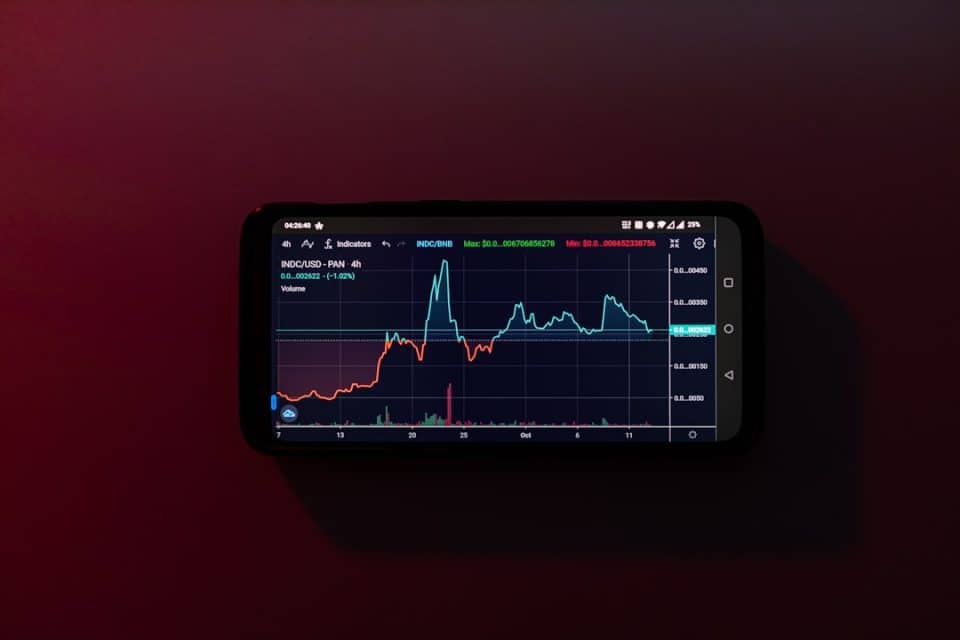
The Signal Traders Watch Closely When Short Interest Spikes
When short interest in a stock surges dramatically, the market is rarely being subtle. A short interest spike is one of the most watched signals among institutional traders, hedge fund analysts, and savvy…

When short interest in a stock surges dramatically, the market is rarely being subtle. A short interest spike is one of the most watched signals among institutional traders, hedge fund analysts, and savvy retail investors alike — and for good reason. It doesn’t just reflect pessimism about a company. It tells a layered story about conviction, risk appetite, and what the broader market believes is lurking beneath the surface of a stock’s current price.
Understanding what a short interest spike means — and more importantly, how to respond to it — can be the difference between catching a major opportunity and walking into a trap.
What a Short Interest Spike Actually Means
Short interest represents the total number of shares that have been sold short but not yet covered or closed out. When this figure rises sharply over a short period, it signals that a growing number of traders are betting against the stock — essentially wagering that its price will fall.
A short interest spike typically occurs when traders identify a catalyst: disappointing earnings, deteriorating fundamentals, regulatory headwinds, or broader sector weakness. But context matters enormously. A short interest level of 5% of a company’s float is very different from one sitting at 30% or higher. Stocks with extremely elevated short interest — sometimes called “heavily shorted” — become volatile environments where even minor positive news can trigger explosive price action in the opposite direction.
Short interest data is published bi-monthly by exchanges and aggregated by financial data providers, giving market participants a regular window into shifting sentiment. When that data shows a sudden, significant increase, it demands attention.
Short Squeezes and the Risk Hidden Inside High Short Interest
One of the most dramatic consequences of a short interest spike is the potential for a short squeeze. When a heavily shorted stock begins rising — perhaps due to better-than-expected news or a surge in retail buying pressure — short sellers scramble to close their positions. This means buying shares, which pushes the price higher, forcing even more short sellers to cover, creating a feedback loop that can send a stock soaring within hours.
One of the most dramatic consequences of a short interest spike is the potential for a short squeeze.
The mechanics of a short squeeze make a short interest spike a double-edged sword. For bearish traders, elevated short interest provides a high-conviction position — but also an enormous risk if the thesis breaks down. For bullish traders and long investors, spotting a spike early can be the setup for a powerful contrarian trade.
Several metrics help contextualize the risk embedded in any short interest spike:
- Short interest as a percentage of float: Higher percentages indicate greater squeeze potential and overall bearish conviction.
- Days to cover: This measures how many days it would take all short sellers to buy back shares based on average daily trading volume. A high days-to-cover ratio amplifies squeeze risk.
- Cost to borrow: When short interest is extreme, shares become scarce to borrow, driving up the annualized borrowing fee — sometimes to triple-digit percentages — which signals just how crowded and costly the short trade has become.
Reading Short Interest Spikes as a Market Sentiment Indicator
Beyond individual stocks, aggregate short interest data across sectors or indices functions as a broader sentiment gauge. When short interest spikes across multiple names in a specific industry — say, regional banks, speculative biotech, or high-multiple tech stocks — it often reflects a coordinated concern about macroeconomic conditions, credit risk, or valuation compression.
Professional investors use this data the same way they use put/call ratios or credit spreads: as a sentiment indicator that can reach extremes. When an entire sector sees a short interest spike simultaneously, it can sometimes mark a capitulation point — the moment when pessimism has peaked and a reversal is near. Contrarian investors pay close attention to these crowded trades, understanding that when everyone is leaning the same way, the risk of a violent reversal grows substantially.
It’s worth noting that a short interest spike does not always precede a decline. In many cases, heavily shorted stocks underperform only if the bearish thesis is correct and the time horizon is right. Timing and catalyst alignment matter as much as the raw data itself.
How Investors Can Use Short Interest Data Strategically
Incorporating short interest analysis into an investment process doesn’t require a quant background. The key is using it as one layer within a broader research framework rather than as a standalone signal.
For long investors, identifying stocks with a recent short interest spike that also have strong underlying fundamentals, improving earnings trends, or an upcoming catalyst can point to compelling contrarian setups. The short sellers may be wrong — and if they are, the unwind can be powerful.
For risk managers, a short interest spike in an existing portfolio holding is a flag worth investigating. It doesn’t mean selling immediately, but it does mean revisiting the thesis. Are the short sellers seeing something you’re missing? Is the risk profile of the position changing?
For traders, pairing short interest data with technical analysis — particularly watching for volume surges, breakouts above key resistance levels, or unusual options activity — creates a more complete picture of where a heavily shorted stock might be headed next.
Markets are constantly communicating through price, volume, and positioning data. A short interest spike is one of the clearest and most direct messages they send. Whether it’s the first warning sign of a justified sell-off or the setup for a violent squeeze, it deserves careful, disciplined analysis — not a reflexive reaction. The investors who take the time to decode that signal, rather than ignore it, are the ones best positioned to act with clarity when it matters most.