The Signal Traders Are Watching Before the Market Even Opens
Before the opening bell rings on Wall Street, a quiet but powerful game is already underway in the options market. Large, often anonymous trades are being placed — sometimes in the hundreds of thousands of…

Before the opening bell rings on Wall Street, a quiet but powerful game is already underway in the options market. Large, often anonymous trades are being placed — sometimes in the hundreds of thousands of contracts — that deviate sharply from normal activity. This phenomenon, known as unusual options flow, has become one of the most closely watched indicators among institutional traders, hedge funds, and increasingly, sophisticated retail investors who want to understand where the real money is moving.
Options flow refers to the real-time tracking of options contracts being bought and sold across major exchanges. When the volume, size, or structure of a particular trade stands out dramatically from historical norms — especially when it leans heavily toward calls or puts on a specific stock or index — it is flagged as unusual. These aren’t random bets. They often represent calculated, high-conviction positions from players with deep research teams, proprietary data, or in some cases, information advantages that sit right at the edge of what regulators permit.
The reason unusual options flow moves equity markets is rooted in a concept called delta hedging. When a large options order hits the market, the market maker on the other side of that trade is suddenly exposed to directional risk. To neutralize that risk, they buy or sell shares of the underlying stock. A massive call sweep on a tech stock, for example, forces market makers to purchase shares — which itself pushes the stock price higher. This mechanical relationship between the options market and the equity market means that unusual flow doesn’t just predict price movement; it can directly cause it.
What the Data Is Actually Telling Traders Right Now
Options analytics platforms that specialize in tracking unusual options flow have reported a noticeable uptick in large, out-of-the-money call activity across sectors including semiconductors, defense, and energy infrastructure. These trades are often structured as sweeps — meaning they’re executed across multiple exchanges simultaneously to fill a large order quickly — which signals urgency. When a trader doesn’t want to wait, it usually means they believe something is about to happen on a specific timeline.
When a trader doesn’t want to wait, it usually means they believe something is about to happen on a specific timeline.
It’s important to understand that unusual options flow is not a crystal ball. It can be misleading, particularly when large trades are being placed as hedges against existing equity positions rather than as directional bets. A fund that holds $500 million in a single stock might buy puts aggressively not because they expect it to fall, but to protect against downside risk. Mistaking a hedge for a bearish signal is one of the most common errors retail traders make when they attempt to follow institutional flow without the full context.
That said, certain patterns within unusual options flow have shown consistent predictive value. Block trades placed well out of the money with short expiration windows, for instance, carry a very different message than long-dated protective puts. When multiple unusual orders cluster around the same ticker within a compressed window — especially when accompanied by elevated implied volatility — experienced analysts treat this as a meaningful signal worth investigating further.
Why This Market Dynamic Is Gaining Mainstream Attention
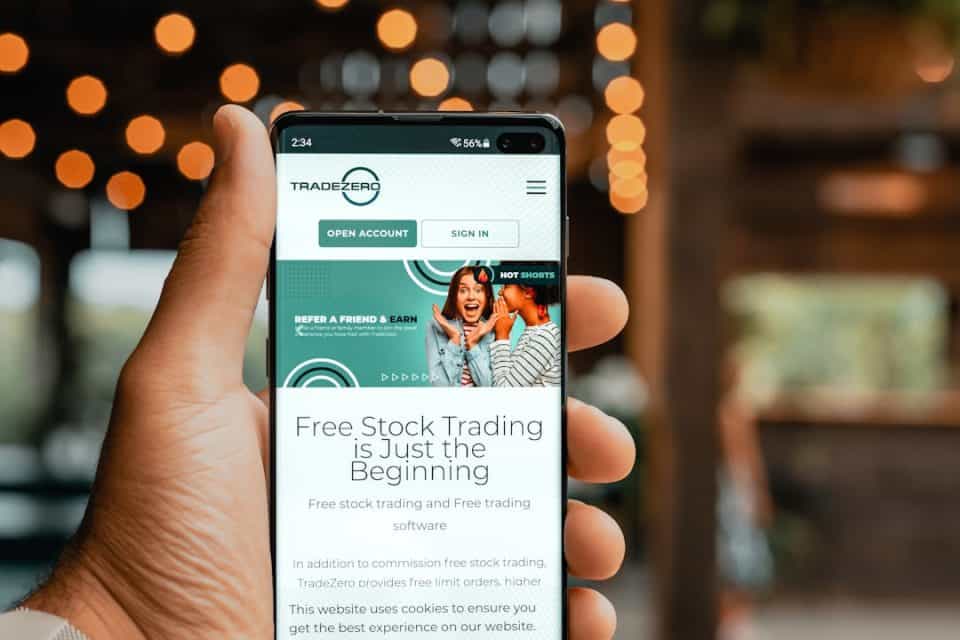
The democratization of options trading, accelerated by zero-commission platforms and real-time data tools, has brought unusual options flow from the exclusive domain of trading desks to a much wider audience. Online communities dedicated to tracking these signals have grown substantially, and fintech platforms now offer retail investors access to the same flow data that was once reserved for professionals paying tens of thousands of dollars per year for a Bloomberg terminal.
Regulators have taken note as well. The SEC has increased scrutiny around options activity that precedes significant corporate announcements, recognizing that the options market has become a preferred vehicle for those attempting to trade on material non-public information. This enforcement pressure has not deterred the flow — it has simply made interpreting it a more nuanced exercise.
For any trader or investor trying to gain an edge in today’s equity markets, ignoring unusual options flow is increasingly difficult to justify. Whether used as a standalone signal or layered into a broader analytical framework, it offers a rare window into where well-capitalized, informed participants are placing their highest-conviction bets — often days before the broader market catches on.