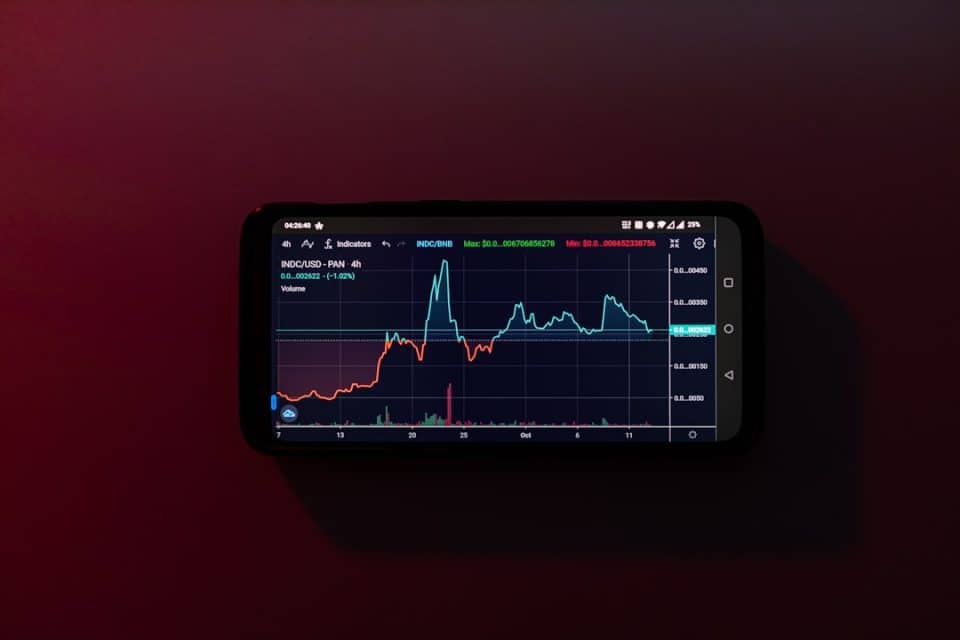
Smart Investors Watch Short Interest Spikes to Predict Market Reversals
When bearish sentiment reaches extreme levels in financial markets, experienced traders know to watch for one critical signal: a dramatic surge in short interest. This phenomenon often marks the exact moment…

When bearish sentiment reaches extreme levels in financial markets, experienced traders know to watch for one critical signal: a dramatic surge in short interest. This phenomenon often marks the exact moment when widespread pessimism transforms into explosive upward price movement, catching unprepared investors off guard while rewarding those who understand its implications.
A short interest spike occurs when the number of shares sold short increases dramatically over a short period, typically indicating that institutional and retail traders have become overwhelmingly bearish on a particular stock or sector. This data, published bi-monthly by exchanges, provides a window into market sentiment that sophisticated investors use to identify potential turning points in price trends.
The mechanics behind why a short interest spike matters stem from basic supply and demand dynamics. When short sellers eventually need to cover their positions by buying back shares, they create artificial buying pressure that can drive prices significantly higher. This phenomenon, known as a short squeeze, becomes more likely and more violent as short interest reaches extreme levels relative to average daily trading volume.
Market history provides compelling evidence of this pattern. During periods of maximum pessimism, stocks with elevated short interest often experience the most dramatic rebounds. Tesla’s meteoric rise in 2020 exemplified this dynamic, as the company’s heavily shorted stock surged over 700% in a single year, forcing bears to cover positions at substantial losses while generating massive gains for contrarian investors who recognized the setup.
During periods of maximum pessimism, stocks with elevated short interest often experience the most dramatic rebounds.
Professional traders monitor several key metrics when analyzing short interest data. The short interest ratio, calculated by dividing total short interest by average daily volume, indicates how many days it would take for all short sellers to cover their positions at normal trading volumes. Ratios above five days often signal potential squeeze conditions, while readings above ten days suggest extreme bearish positioning that markets frequently reverse.
Technology stocks have demonstrated particularly dramatic responses to short interest spikes in recent years. The sector’s volatility, combined with heavy institutional trading and retail participation through social media coordination, creates conditions where sentiment shifts can generate massive price swings in compressed timeframes. Companies with innovative products or disruptive business models often attract heavy short interest from skeptical traditional investors, setting up potential squeeze scenarios.
However, interpreting a short interest spike requires careful analysis beyond simply identifying high numbers. Successful traders examine the underlying reasons for bearish sentiment, company fundamentals, broader market conditions, and technical chart patterns before making investment decisions. A spike driven by legitimate business concerns carries different implications than one based on temporary market pessimism or misunderstood growth prospects.
The timing element proves crucial when trading around short interest data. Since reporting occurs bi-monthly with a significant lag, savvy investors often look for real-time indicators that suggest short covering has begun. These include unusual volume spikes, rapid price advances on minor positive news, or technical breakouts above key resistance levels that force algorithmic covering programs to activate.
Institutional investors increasingly incorporate short interest analysis into broader market timing strategies. When aggregate short interest across major indices reaches extreme levels, it often coincides with market bottoms as widespread pessimism creates oversold conditions ripe for reversal. This contrarian indicator has proven particularly valuable during bear market periods when traditional fundamental analysis struggles to identify turning points.
Understanding how a short interest spike influences market direction provides traders with a powerful tool for identifying high-probability setups where risk-reward ratios favor aggressive positioning. While not every spike leads to immediate price explosions, the pattern occurs frequently enough that ignoring this data means missing significant profit opportunities when market sentiment reaches extremes. For investors willing to take contrarian positions against prevailing wisdom, monitoring short interest remains an essential component of successful market timing strategies.